Norse Tattoo Meaning and Symbolism
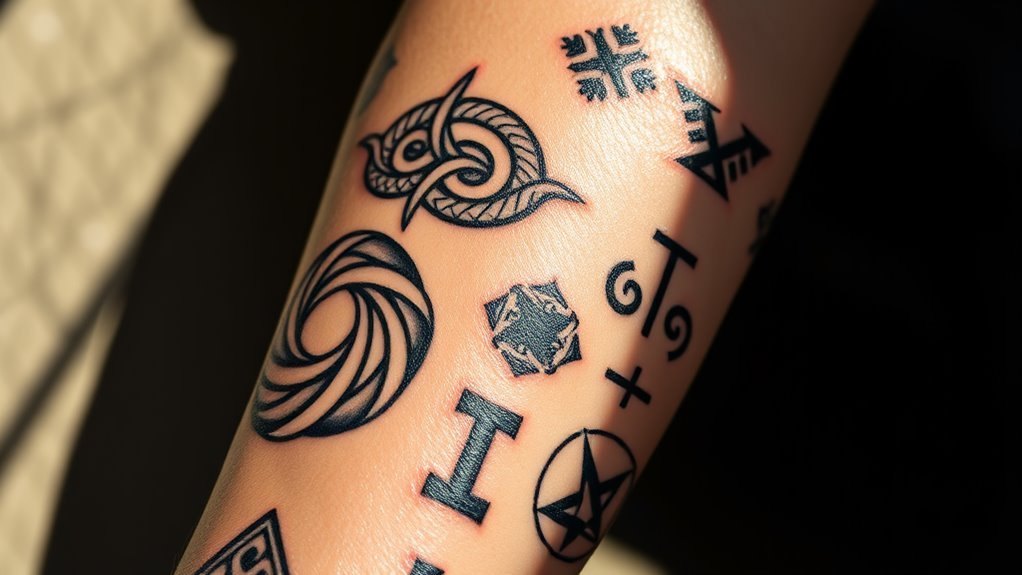
Norse tattoos carry profound meaning, deeply rooted in Viking mythology. Each symbol, from the Valknut to Thor's Hammer, reflects complex themes of life, death, and personal identity. They serve not just as art but as connections to a storied heritage, embodying values like strength, wisdom, and fate. Understanding these symbols can enhance your appreciation for their significance. What might your choice reveal about your own journey?
In a Nutshell
- Norse tattoos often symbolize powerful concepts like strength, wisdom, and protection, reflecting the values of ancient Norse culture.
- The Valknut represents the connection between life and death, serving as a bridge to the afterlife in Norse mythology.
- Odin's Ravens, Huginn and Muninn, symbolize thought and memory, emphasizing the pursuit of knowledge and insight.
- Thor's Hammer (Mjölnir) embodies strength and resilience, symbolizing protection for oneself and loved ones against chaos.
- Runes carry specific meanings and magical properties, connecting individuals to a rich heritage and guiding personal narratives.
The Valknut: Symbol of the Afterlife
The Valknut, often recognized by its intricate interlocking triangles, serves as a powerful symbol in Norse mythology, particularly associated with the afterlife.
This emblem embodies Valknut symbolism, representing the connection between life and death, a passage that resonates deeply within the human experience.
When you see the Valknut, think of it as a bridge to the afterlife, a reminder that existence transcends mortality.
Its design reflects the complexities of fate, inviting you to explore your own beliefs about what lies beyond.
As you consider getting a Valknut tattoo, you're not just adorning your body; you're embracing a legacy that binds you to those who've pondered the mysteries of the afterlife, fostering a sense of belonging to an ancient tradition.
Odin's Ravens: Insight and Wisdom
When you think of Odin's Ravens, Huginn and Muninn, you're tapping into a rich tapestry of insight and wisdom woven throughout Norse mythology.
These two ravens symbolize not only the pursuit of knowledge but also the deep connection between thought and memory. Huginn, representing thought, and Muninn, embodying memory, serve as messengers for Odin, gathering information from the world.
This raven symbolism transcends mere representation; it speaks to your quest for understanding and clarity in life. By embracing these powerful symbols, you can cultivate a sense of belonging to a lineage that values wisdom and insight.
Wearing a tattoo of Odin's Ravens may remind you of the importance of both knowledge and the experiences that shape your understanding of the world around you.
Thor's Hammer (Mjölnir): Strength and Protection
Thor's Hammer, known as Mjölnir, embodies not just strength but also protection, making it a powerful symbol in Norse mythology.
When you wear Mjölnir symbolism, you connect with the might of the Viking warrior, a protector against chaos and evil. This iconic weapon represents more than brute force; it signifies the resilience and loyalty that warriors upheld in battle.
By tattooing Mjölnir on your skin, you're embracing a legacy of courage and safeguarding your spirit. It's a reminder that true strength lies not just in physical power, but in the ability to shield those you love.
Each time you see your tattoo, you'll feel that bond to the past, reinforcing your identity and belonging to a rich, storied tradition.
The Tree of Life (Yggdrasil): Connection and Growth
Rooted deep in Norse mythology, the Tree of Life, or Yggdrasil, represents a profound connection to the cosmos and the cycle of life.
Its vast Yggdrasil roots stretch down into the underworld, symbolizing stability and grounding, while its magnificent branches reach high into the heavens, embodying growth and aspiration.
As you explore this powerful symbol, you'll find that Yggdrasil serves as a reminder of interconnectedness—each person, like a branch, plays a crucial role in the greater whole.
Embracing this tattoo can foster a sense of belonging, inspiring you to reflect on your own growth journey.
Ultimately, Yggdrasil invites you to nurture your roots while reaching for the stars, celebrating your unique path within the tapestry of life.
Runes: Ancient Language and Magical Properties
The rich tapestry of Norse symbolism extends beyond the vibrant imagery of Yggdrasil to include the fascinating world of runes.
These ancient symbols, with their rune origins steeped in history, served not just as a written language but as conduits for magical spells. Each rune carries specific meanings and powers, allowing you to tap into their mystical properties.
When you choose a rune for your tattoo, you're not just embracing art; you're connecting with a rich heritage. This connection fosters a sense of belonging, linking you to a lineage that believed in the transformative power of symbols.
As you explore rune meanings, you'll find that they resonate deeply, guiding your journey and enhancing your personal narrative.
Fenrir: The Wolf of Destruction and Chaos
While many Norse myths celebrate heroic figures, Fenrir stands out as a symbol of destruction and chaos, embodying the darker aspects of existence.
In Fenrir mythology, he's the monstrous wolf born of Loki, representing untamed nature and the inevitability of fate. His symbolism extends beyond mere destruction; he acts as a guardian of chaos, challenging the gods themselves.
Fenrir in art and literature reflects this duality, depicting both fear and reverence. In Norse culture, he's integral to the narrative of Ragnarok, where he plays a decisive role in the downfall of the gods.
Understanding Fenrir's connection to Loki deepens your appreciation for these complex relationships, revealing how chaos can coexist with order in the grand tapestry of existence.
The Helm of Awe (Ægishjálmr): Fearlessness in Battle
Though often overshadowed by other symbols in Norse mythology, the Helm of Awe (Ægishjálmr) stands as a potent emblem of fearlessness and protection in battle.
This intricate design serves as a helm of significance, channeling power and instilling dread in your foes. When you wear or ink this symbol, you embrace its battle symbolism, reinforcing your courage and resilience.
Originating from ancient Viking tradition, it's believed to grant the wearer invincibility and the ability to inspire terror. This connection to the divine and the warrior spirit establishes a sense of belonging within the community of those who honor Norse heritage.
The Norns: Fate and Destiny
In Norse mythology, the Norns embody the intricate web of fate and destiny that governs every being's life.
These three powerful figures—Urd, Verdandi, and Skuld—represent the past, present, and future, respectively. Their roles are essential in fate weaving, as they spin the destiny threads that dictate your life choices.
When you consider how your actions shape your path, you tap into the timeless influence of the Norns. They remind you that while you navigate life, your perception of time influences your decisions.
Understanding the Norns' existence can foster a deeper connection with your own fate, encouraging reflection on how your choices intertwine with a larger narrative in the rich tapestry of Norse mythology.
Frequently Asked Questions
What Is the Origin of Norse Tattoo Symbolism?
The origin of Norse tattoo symbolism lies in Viking heritage, where warriors used designs to signify strength and protection. These tattoos carried symbolic meanings, fostering a sense of belonging and identity among those who embraced them.
Are Norse Tattoos Culturally Appropriate for Non-Norse Individuals?
When considering Norse tattoos, think about cultural appropriation. You should aim for respectful representation, understanding the symbolism and history behind the designs. This mindfulness fosters a genuine connection rather than superficial admiration of another culture.
How Do I Choose the Right Norse Symbol for My Tattoo?
To choose the right Norse symbol for your tattoo, reflect on your personal significance. Research various symbols, consider their meanings, and select one that resonates deeply with your identity and values for lasting connection.
Can Norse Tattoos Be Designed in a Modern Style?
Absolutely, you can design Norse tattoos in a modern style! Incorporating modern interpretations and minimalist designs allows you to connect with ancient symbols while creating a unique expression that resonates with contemporary aesthetics and personal identity.
What Should I Consider Before Getting a Norse Tattoo?
Before getting a Norse tattoo, consider the design's complexity, placement on your body, and size. Each choice affects how others perceive you and reflects your connection to the culture, enhancing your sense of belonging.